Save big with our special offers

Butrint National Park
3/22/20261 min read
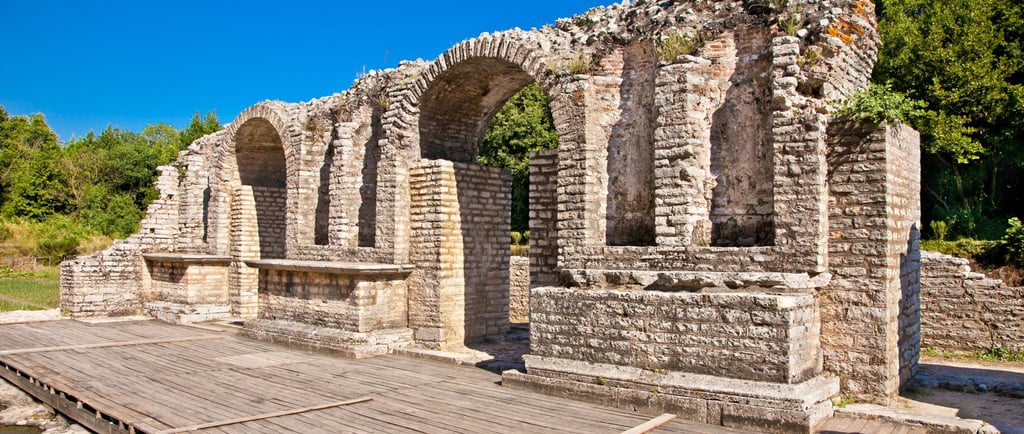
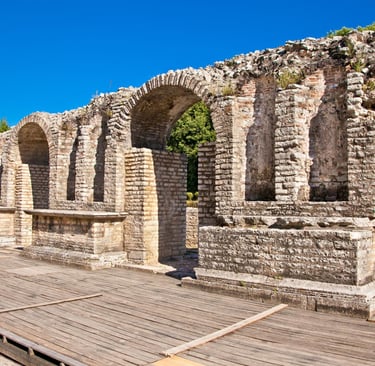
Step back in time at Butrint National Park, a UNESCO World Heritage Site that tells the story of civilizations spanning thousands of years. From ancient Greek theaters to Roman baths and Byzantine basilicas, every corner of Butrint reveals a different chapter of history.
Surrounded by lagoons and dense greenery, the park is not only a cultural treasure but also a haven for wildlife. It’s an ideal destination for those who appreciate both history and nature in one unforgettable experience.
Historical significance
The site of Butrint has been inhabited since prehistoric times, evolving into a Greek colony, a Roman city, and later a Byzantine and Venetian settlement. Its archaeological remains—temples, theatres, baths, and fortifications—reflect continuous urban activity from the 8th century BCE through the Middle Ages. The Butrint Archaeological Site offers a unique window into Mediterranean cultural transitions across millennia.
Natural environment
The park includes not only the ruins but also diverse habitats around Lake Butrint and the Vivari Channel. These wetlands support rich biodiversity, including migratory birds and endemic plant species. The combination of cultural and natural features makes Butrint an example of sustainable heritage conservation within a living ecosystem.
Conservation and tourism
Since its UNESCO inscription, Butrint has been a focus of extensive preservation and archaeological research, supported by Albanian authorities and international partners such as the Butrint Foundation. Carefully managed tourism allows visitors to explore ancient monuments amid scenic landscapes. Butrint remains one of Albania’s most visited heritage sites, demonstrating the integration of cultural legacy and environmental protection.